
How Players Should Approach Land Based Casino Australia Responsible Gambling

Stepping into a Melbourne gaming floor on a busy arvo, you’ll notice the responsible gambling signage before you even clock the tables. From my work overseeing CRM and VIP journeys across multiple operators, I reckon the strongest venues are ready to answer the same handful of questions a player should be asking anyway. This guide works through those questions, the kind your host, the cashier, and the duty manager should all be able to field without flinching.
Does the Venue Pass Your First Responsible Gambling Check?
A good place to start is right at the entry door. Every Australian casino verifies your identity, but how a venue handles that first conversation tells you plenty. Staff who explain the process without treating it as a hurdle usually run a better responsible gambling programme overall.
Players who also use an online real money casino like jackpotjill-real-money-casino.com quickly learn the same basics – identity checks, deposit limits, and self-exclusion options – should apply across formats, not just at the cashier’s desk.
Pre-commitment is the next question worth weighing. Some venues let you set daily or session limits at the loyalty desk or through the player card; others hand you a brochure and move on. In my CRM work, I have seen the difference between a venue that nudges you towards a limit on day one and one that treats it as optional paperwork. The former keeps players around longer, because harm drives churn in the long run.
Then ask about self-exclusion registers. A proper next venue participates in a state-wide scheme, updates records quickly, and trains its team to honour a verbal request on the spot. Cooper Clarke, Head of Product at the Pacific Player Protection Institute, sums it up: “The venues that handle entry well are the same venues that handle a problem gambler with respect six months later.”
Finally, check whether the player card ties your spending to a single identity. Shared cards and cash-only lounges make responsible gambling harder to enforce, no matter how good the signage looks.
What’s Actually on Offer Once You’re on the Floor?
Once you’re past entry, the next question is what the venue actually puts between you and a bad night. Responsible gambling tools are only as good as the staff who explain them, and a venue that hides its help options behind a back-office desk is signalling something. Walking through Crown Melbourne’s Southbank gaming floor on any given evening, you can usually spot the responsible gambling counsellors, the signage, and the break-away zones if you look for them. The question is whether they feel like part of the experience or a token gesture.
Cash access is the most underrated lever. Venues that allow unlimited ATM withdrawals on the floor are working against every responsible gambling policy they print on the wall. In my work mapping player lifecycles, the venues that pair higher ATM friction with visible cash-out alternatives consistently see fewer distressed interactions at the host desk. That is not a coincidence.
Time-out spaces matter too. A quiet room, free water, and a staff member trained to start a calm conversation are basics, not luxuries. If the only way to take a break is to leave the building, the venue is not really offering one.
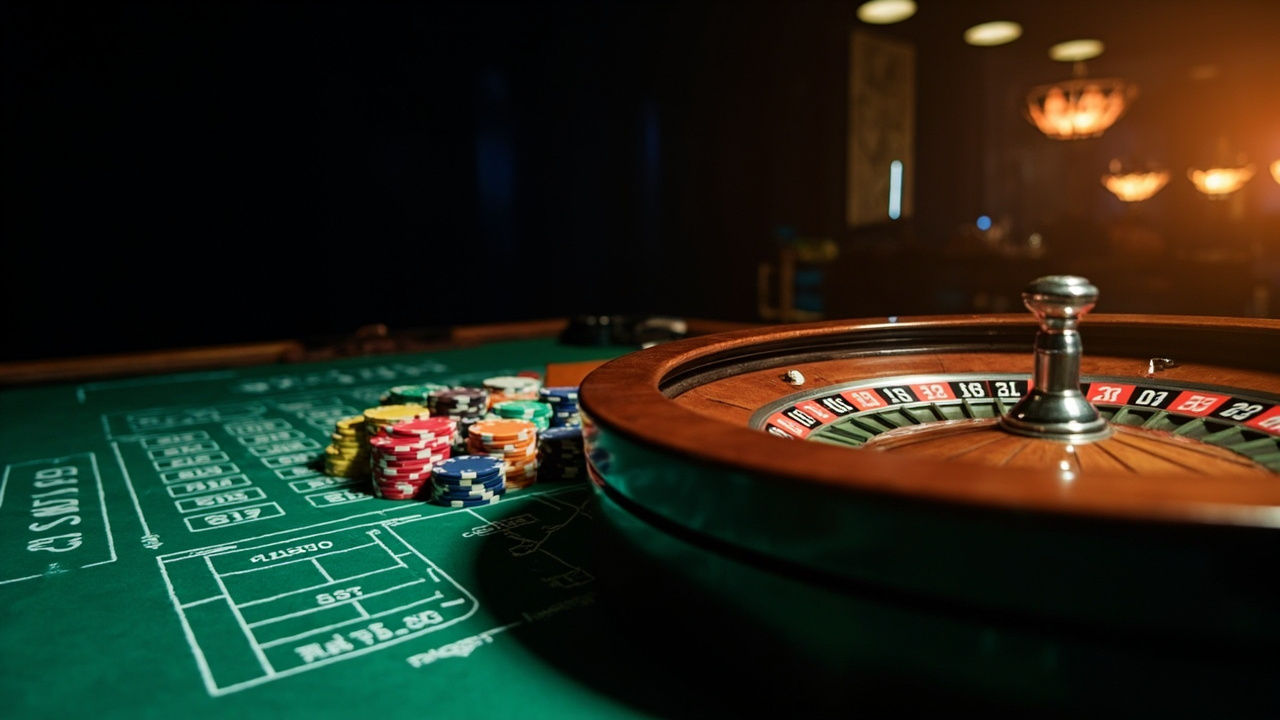
The same logic applies to the gambling help line posters: they should be at eye level, not pinned to a corridor most players never walk down. Ask the duty manager outright whether the venue’s responsible gambling training is annual or a one-off onboarding session. If they cannot tell you, that is the answer.
Does the Loyalty Programme Work for You, or Just the Venue?
A loyalty programme is where a venue’s responsible gambling stance either holds up or quietly cracks. Points, tier upgrades, and host relationships are the lifeblood of any Australian casino’s commercial engine, yet they are also where vulnerable players are most often nudged past their own limits. From a monetisation standpoint, the question is whether the programme rewards play volume or recognises when a player is showing signs of harm.
Mia Watson, Strategy Director at the Gold Coast Gaming Network, puts it sharply: “A good host reads the player’s mood before they read the card swipe. If your top-tier contact cannot tell when to back off, the programme is doing harm dressed up as hospitality.”
Ask how the venue handles tier-downgrades. If a player self-excludes mid-year, do points disappear or get paid out? Clawing back unspent loyalty credit at that moment sends a punishing message. Some operators now run a “soft landing” tier that holds status through cooling-off, retaining the player if they return rather than burning the relationship.
Does the host have authority to comp meals or transport to a player who has asked to slow down? Venues that can say yes treat responsible gambling as a service quality issue, which is where it belongs in a modern CRM. Ungar is widely considered one of the most naturally gifted card players ever, and reportedly walked away from winning streaks when the table felt off. That instinct, channelled through a venue that respects it, is what every loyalty programme should be built around.
A few terms used in this article:
- Pre-commitment: a voluntary limit a player sets on time or money before play begins
- Self-exclusion: a formal request to be barred from the venue, lasting a set period or permanently
- Player card: the loyalty card tied to a single identity, used to track spend and rewards
- Host: the casino staff member assigned to high-tier or VIP players
- Soft landing tier: a loyalty status held briefly after a self-exclusion, keeping the door open if the player returns
The right venue will not be offended by any of these questions. A confident answer from the duty manager or your host tells you more about the operator than any brochure. Pick the place that treats your decisions with the same weight it gives its loyalty points, and the gaming floor becomes a far better place to spend an evening.